Friday, February 4, 2011

Coconut Dulce De Leche Scones (Baked)


[ Equipment: oven or slow cooker with temperature control. For more information about the terminology in this recipe, see Low Temperature Baking: A Journey of 3 Paths ].

Feb 17, 2011: Revised recipe adds coffee bean powder and molasses, and omits the egg yolk in step 5 (the yolk reappears in step 10 in the egg wash).

Denser than a cake, these scones lean more towards the tender texture of a batter bread than the rich texture of a traditional scone. Dulce de leche caramel and milk hydrate the scone dough in place of cream, with the dark brown sugar accentuating the caramel flavors. The candy store pairing of caramel and coconut only needed a bit of heat from ginger and cinnamon to perk up the flavors.

The base recipe was Cooking Light's Classic Scones. After the dulce de leche and brown sugar, I re-portioned the ingredients for a 7-inch cake pan, increased the amount of baking powder, added baking soda to counter the acid from the brown sugar, molasses and the dulce de leche, took out the vanilla for spices and a hint of coffee. I made versions with whole egg and egg white only and think the egg-white-only have the crumbly texture more like a standard scone. (Substitute 2 tablespoons of beaten whole egg for the egg white for more cake-like scones.) Dulce de leche is easy to make from sweetened condensed milk, but I already had cans of dulce de leche in my food bin, waiting for a food project.

Although I didn't change the amount of fat, I opted to replace 1/3 of the butter with vegetable oil. The one version I made with 100% butter came out a little dry, a common occurrence in LTB cakes made with all butter. The cut or rubbed butter gives the scones that flaky-like texture and enhances the milky ingredients. The coffee bean powder is standard canned coffee (medium roast) very finely ground in a spice grinder. In concert with the brown sugar and molasses, it reinforces the smokey, earthy qualities of the dulce de leche caramel.

When low-temperature baking anything much larger than a cupcake, the release of steam has to be controlled so that whole scone round bakes evenly. The vented foil pan cover slows the cooking slightly at the edge of the pan while accelerating the cooking at the center. The perforation pattern in the foil is that same as that first tried in my slow-rise no-knead focaccia. The height of the risen and baked scone round is about 1 inch, and the cake pan should be taller than that to allow steam to circulate. The cake pan in the pictures is about 3 inches tall.

Makes 8 scones
- 175 calories per scone
- Oven Temperature: 250°F/121°C
  • 1-1/4 cup all purpose flour
  • 1/2 teaspoon ginger
  • 1/4 teaspoon cinnamon
  • 1/8 teaspoon coffee bean powder (see text)
  • 1/4 teaspoon baking soda
  • 1-1/2 teaspoon baking powder
  • 1/4 teaspoon salt
  • 3 tablespoons dark brown sugar (packed)
  • 2 tablespoons butter
  • 1 tablespoon vegetable oil
  • 1/4 cup dulce de leche
  • 1/8 cup low-fat milk or low fat-fat coconut milk
  • 1 large egg, separated
  • 1 tablespoon molasses
  • 1/4 cup baker's coconut (shredded, sweetened)
  • 1/8 cup chopped walnuts


1. In a large bowl, whisk the flour, sugar, salt, spices, coffee bean powder and baking powder until well combined.


2. Slice butter into small cubes and add to flour mixture. Cut butter into the flour with a pastry blender or fork or rub the butter and flour between the hands until crumbly and uniformly distributed.


4. In a small bowl, whisk the dulce de leche and milk until smooth and combined like a sauce. If the dulce de leche is too stiff, microwave it for a few seconds to soften it.


5. Then whisk in the egg white, molasses and and 1 tablespoon of vegetable oil.


6. Stir the dulce de leche liquid into the flour until it forms a soft dough. If the dough is too dry, mix in a little more milk or some of the beaten egg.


7. Add the baker's coconut and knead the dough briefly (5 to 8 seconds) until the coconut is evenly distributed.


8. Grease a 7-inch springform pan or cake pan with removable bottom. Cut out a 7-inch diameter circle from wax paper or parchment paper and place in bottom of pan. Grease the top of the paper.


9. Put dough into pan and press dough out evenly to cover the bottom of the pan.


10. Score dough with knife to form 8 wedges. The score marks will fill in during baking, but a faint outline should remain as a slicing guide. Mix the egg yolk with 1 teaspoon of water to make an egg wash. Brush the scones with the the egg wash.


11. Sprinkle with chopped walnuts. Lightly press the walnuts in the dough.


12. Cover the top of the pan with a sheet of aluminum foil and secure by tying it around the rim with string. With a knife or scissors, cut out a 2-inch hole in the center of the foil. Then, with a 1/8-inch wood skewer, punch 12 holes, evenly spaced, about half way between the rim and the center hole.


13. Bake in a preheated 250°F/121°C oven for 50 to 60 minutes. Test for doneness by inserting a thin wood skewer through the center hole into the scones. It's ready if the skewer comes out clean. The center should firm, the surface dry and the edges a golden brown.


14. Cool and unmold.


15. Slice and serve.

Double-Height Mini Potato Bread (Baked, Kneaded, Fast & Slow Rise)


[ Equipment: 5-3/4 x 3 x 2 inch loaf pan, oven or slow cooker with temperature control. For more information about the terminology in this recipe, see Low Temperature Baking: A Journey of 3 Paths ].

Revised May. 16, 2011: the recipe scaled for a large potato bread (8x4x2 loaf pan) can be found here.
Revised Mar. 21, 2011: new instructions for converting recipe to a slow-rise, kneaded bread.
Revised Feb. 8, 2011: new instructions for using potato flakes or potato flour.

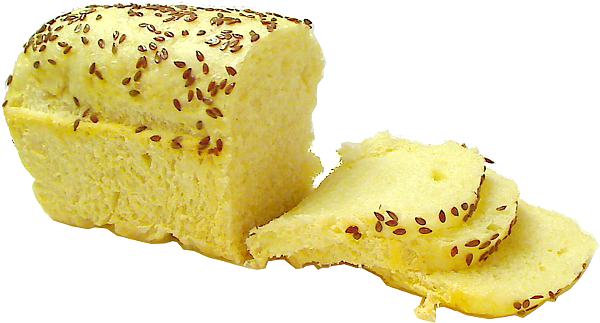
It's amazing how a tiny amount of potato flour transforms a kneaded, basic white bread with a hearty richness, extended freshness (tasty without toasting a day or more later), yet minimal extra calories and minimal extra ingredients. This recipe is the same as the mini loaf white bread with a big spoonful of potato flour mixed in. Potato bread doesn't get much simpler than that. The loaf bakes up double the height of the pan with the help of a foil bonnet. It's a tall mini loaf with slices measuring on average about 3 x 3-1/2 inches - not too shabby at all. The recipe is for the fast-rise loaf, but I include instruction for converting it to a slow-rise below.

Recently, I reviewed my bread recipes and realized that all of them were slow-rise, except for that mini loaf white bread. However, that recipe required 2 stages of baking: once in a steam oven and once in a slow oven. While it was possible to revise the recipe and simplify it for an oven only, I decided to leave it intact for future reference, because there may some types of low temperature baked goods that could benefit from the combination cooking.

Instead, this recipe for potato bread is the simplification for oven only of the mini loaf white bread. As in the original recipe, an aluminum foil hood concentrates the heat in the pan, but now is perforated so that the bread essentially steams and slow-bakes at the same time. An agave glaze turns out a crust that is golden and chewy and flecked with flax seeds. It's as golden as (if not more so than) the original mini loaf, but the total baking time is cut in half!

Between potato flour and mashed potato flakes, my experience has been that dough with the flakes rises higher, but is also lumpier. I measure out 1 tablespoon of the flakes and lightly crush them in my hand before adding it to the other dry ingredients for better incorporation into the dough. For finer flakes and hence a loaf with a smoother dome top, I pulse the flakes in a spice grinder into a rough grind - one or two pulses usually suffice. However, flakes ground too fine can inhibit the rise, as can too much potato flour. For either the flakes or flour, the weight should be 0.2 oz.


The flax seeds are decoration. They do fall off if handled too much, but the agave glaze does a reasonable job of gluing them in place. A loaf could be glazed without the seeds, if desired. The glaze caramelizes into a sweet, golden crust. The picture above shows 2 loaves, the top one baked with no glaze and the bottom one coated with diluted agave syrup. The agave crust is significantly darker, thicker and a little chewier, a very nice presentation. Other kinds of glazes could substitute for the agave, including beaten egg white, diluted honey or molasses, or even a mucilaginous solution of ground flax and water, each with their own crust characteristics.

The crust on an unglazed potato loaf has less color than an unglazed white bread (no potato flour) from the same recipe, the reason being the potato flour grips moisture and inhibits browning a little. For those who find pale loaves unappealing, I recommend applying one of the glazes listed above (or any number of other glazes I haven't listed). The potato flour also increases the baking time by about 10 minutes, so a basic white bread from this recipe should be done in about 40 minutes (internal temperature 200°F/93°C or higher).

I like the spontaneity of fast-rise breads. The slow-rise breads on VaporBaker cannot be made in less than 18 hours and must be planned a day ahead. This potato loaf is risen and baked in about 4 hours (with 4 times as much yeast as a slow-rise bread). It could go faster with the addition of more yeast.


For those who'd like to convert this recipe to a slow-rise, kneaded bread (more complex flavor, sweeter, less potato-like), reduce the amount of rapid-rise yeast to 1/16 teaspoon and activate the yeast with 1/4 cup warm water and 1/2 teaspoon of sugar as shown in the Parmesan Fig Focaccia recipe. Then continue on with this recipe (add the yeast water in step 2 of the bread method). Note that a slow-rise dough will get by with less kneading than a fast-rise, because long fermentation also develops the gluten bonds.

The first rise should take from 12 to 18 hours; the second rise about 3 to 5 hours (apply the glaze - if desired - and foil bonnet about 2 hours into the second rise). The first picture above shows the first rise after 14 hours. The second picture above is the finished slow-rise potato loaf, baked without a top glaze.

A final caution: the yeast must be fresh. Stale yeast will take longer to rise or may not rise at all.

Makes 1 Demi Loaf
- 580 calories per loaf
- Oven temperature: 250°F/121°C

Bread:
  • 1-1/8 cup all-purpose flour (5.5 oz)
  • 2 teaspoons sugar
  • 1/2 teaspoon salt
  • 1/4 teaspoon rapid rise yeast
  • 1 tablespoon mashed potato flakes or 1 teaspoon potato flour (0.2 oz., see text)
  • 1/2+ cup warm water
  • 1/4 to 1/2 teaspoon flax seeds or other decorative seeds (optional)
Topping:
  • 1 teaspoon amber agave syrup
  • 1/2 teaspoon water
  • 1/2 teaspoon flax seeds
Venting Bonnet Method:


1. Tear off a sheet of aluminum foil approximately 10 x 12 inches. Center the foil, shiny side down, over a small loaf pan (5-3/4 x 3 inches) and lightly press down along the edges, creasing an outline of the top of the pan in the foil.


2. With a 1/8-inch wood skewer, punch 5 holes, evenly spaced along the lengthwise middle, leaving at least a 1/2 inch margin at the ends.


3. Remove foil from pan and set it down shiny side up.


4. Set loaf pan on the foil, the bottom centered over the 5 holes. Fold long sides of foil upward against the long sides and underneath the rim of the pan.


5. Fold the short ends of the foil upward, against the short sides and underneath rim of the pan. Press the foil all around so that it conforms to the shape of the loaf pan without any gaps.


6. Remove the loaf pan. Lightly brush the inside of the bonnet with oil. Set aside.

Bread Method:


1. Put flour, salt, sugar, yeast and potato flakes (lightly crushed - see discussion above) or potato flour into a large bowl and whisk until thoroughly combined.


2. Add 1/4 cup of warm water and toss with a fork or rub between hands to form a crumbly dough.


3. Continue adding warm water, one tablespoon at a time until it forms a sticky but kneadable dough. The exact amount of water varies with the quantity and moisture content of the flour. In my experience, it usually takes 3 to 4 tablespoons of water more to form the dough.

Knead dough to form a smooth, elastic ball - about 2 to 4 minutes for a slow-rise or 8 to 10 minutes for a fast-rise. For this amount of dough, I prefer to knead with the taffy-pull method. I hold the dough in both hands, stretch it out, fold it back - and repeat until I can pull for about a foot without the dough breaking.


4. Cover and put in a warm place (90°-100°F) to rise until double in height, about 2 to 3 hours.


5. Lightly scoop out the dough, gently and briefly knead - about 5 to 6 pull-folds with the taffy method, shape it into a rough rectangle or log and place in a small (5-3/4 inch x 3 inch) loaf pan. Cover and put in warm place to rise until the dough domes over the top of the pan, about 30 minutes to an hour.


6. In a small dish, mix the agave syrup with water to make a wash. Brush the top of the loaf with the wash. Sprinkle on the flax seeds. Brush the loaf again with the wash, making sure to wet the seeds.


7. Prepare vented foil bonnet as described above. Place bonnet over pan, seating it on the rim and crimp the foil down around the rim to secure and prevent steam leakage (except from the vent holes at the top). Continue rising for another 30 minutes to an hour. Loaf is ready to bake when the dough can be seen through the vent holes in the bonnet.


8. Bake for 45 to 50 minutes (or 35 to 40 minutes for basic white bread) in a preheated 250°F/121°C oven. To check for doneness, insert a probe thermometer through the center vent hole in the bonnet and into the bread. If the internal temperature reads around 200-205°F/93-96°C, the bread is ready.


9. Remove and cool about 20 minutes. Unmold and continue to cool bread on a rack.


10. Slice and serve.

Crustless Cherry Berry Tarts With Olive Oil Frangipane (Baked)


[ Equipment: oven or slow cooker with temperature control. For more information about the terminology in this recipe, see Low Temperature Baking: A Journey of 3 Paths ].

The term crustless refers to the lack of a pastry crust. These tarts are all "filling", the fruits embedded in a leavened pastry cream batter. The pictures above show 2 versions of the crustless tart. The top one has the lighter batter, cherries and delicate top crust. The bottom tart is denser, firmer and packed with blueberries. They are variations on Rachel Allen's No-Pastry Pear and Almond Tart, which she demonstrated in an episode of her TV show (see a picture of Allen's tart here).

Clafoutis may be the most famous no-pastry tart, but her tart was not a clafoutis, which has a wetter batter at nearly 4 times the level of hydration (compared with Julia Child's clafoutis recipe). Rather, the batter's ingredient roster suggested a frangipane, an almond pastry cream, but formulated with a higher ratio of flour to almond meal and leavened with aerated egg whites to create a texture and body closer to that of a cake.

In my version of this recipe, I kept the Allen's flour-to-almond-meal ratio (about 1:1 by volume), but changed out the butter for a combination of olive oil and milk. My experience has been that butter tends to dry out LTB cakes. As to the choice of oil, I thought the fruitiness of an extra virgin olive oil made it a fine substitute for butter in this recipe, adding both fat and flavor to the batter and blending nicely with the cherries and blueberries. Unlike conventional baking, LTB will preserve the taste of the olive oil. The oil's only a partial substitution for the full amount of butter to keep the calorie count down, although at 410 calories per tart, it's not diet food. Milk covers the remainder for hydration.


I also experimented with the amount and preparation of the egg whites and the addition of egg yolks. In Allen's recipe, the egg whites were beaten for 30 seconds until frothy and then mixed into the frangipane batter. The air in the whites, invigorated by a 400°F/200°C oven, blew up the tart. However, an LTB oven at 250°F/121°C doesn't develop that kind of puffing heat, so the volume of the raw whites pretty much sets the height. With that limitation in mind, I tried whites beaten to the foam stage (stabilized with lemon juice) and beaten to the stiff peak stage. With the stiff-peak whites, the tart baked up like a cottony chiffon cake, but tasted and felt like a light almond cream as it dissolved in the mouth. The tart with the foamed whites came out moist and dense, like a traditional frangipane.

Both types are described in this recipe. Type 1 has the stiff-peak egg white and cherry fruit. Type 2 incorporates the foamed egg whites and blueberries. Although the overall hydration is about the same in both recipes, the type 2 has less milk (and twice as much egg white). I recommend a superfine or baker's sugar for the type 2, because it will dissolve faster or more thoroughly in the reduced hydration of batter prior to folding in the egg whites.


What did I do with the leftover egg yolks? Well, I saved them for other things like custard-base ice milks and enriched scrambled eggs. I did try a type 1 tart with a yolk (shown above on the left). It tasted too eggy, too much like a cake, really overpowering the fruit. On the other hand, the yolk tart held its shape better, no cracks in the top crust, and with a denser texture, like a type 2 tart. In the type 1 recipe, I list an optional amount of ground flax seed to get some of the cohesion of an egg yolk without its standout flavor.

Makes 2 mini tarts
- 410 calories per tart
- Oven Temperature: 250°F/121°C

Type 1 (stiff-peak egg white batter):
  • 1/4 cup almond meal
  • 1/4 cup all-purpose flour
  • 1/4 cup sugar
  • 1/8 cup extra virgin olive oil
  • 1/4 cup milk
  • 1/4 teaspoon almond extract
  • 1/8 teaspoon ground flax seed (optional, see text)
  • 1 egg white
  • 1 tablespoon sugar
  • pinch of salt
  • 1/8 teaspoon lemon or lime juice
  • 8 cherries, pitted and sliced lengthwise in half
Type 2 (foamed egg white batter):
  • 1/4 cup almond meal
  • 1/4 cup all-purpose flour
  • 1/4 cup sugar
  • 1/8 cup extra virgin olive oil
  • 1/8 cup milk
  • 1/4 teaspoon almond extract
  • 2 egg whites
  • 1/8 teaspoon lemon or lime juice
  • pinch of salt
  • 1/4 cup fresh blueberries


1. Grease 2 4-inch mini tart pans and set aside. The non-stick pans above were greased and floured, but did not release much better than pans that were greased only.


2. In a medium bowl, sift flour and almond meal. Mix in the sugar and combine thoroughly. Instead of sifting, I will put the flour, almond meal and sugar in the bowl and rub it between my hands to combine them and eliminate any lumps.


3. Type 1 tart: in another bowl, whip the egg white with the tablespoon of sugar, lemon juice and salt until it reaches the stiff peak stage.

Type 2 tart: in another bowl, whip the egg whites with the lemon juice and salt until it becomes a light foam. A fork is perfectly adequate for this job.


4. Add milk and olive oil to the flour mixture and whisk until well combined. Note: the type 2 batter will be much thicker in this step because it has less milk.


5. Type 1 tart: Fold the stiffened egg white into the batter.

Type 2 tart: Gently mix the foamed egg whites into the batter.


6. Fill each tart pan about 3/4 full of batter.


7. Place cherries cut-side up in batter or sprinkle blueberries into batter. The cherry tart on the left is a type 1. The one with blueberries on the right is a type 2.


8. Bake for 65 to 75 minutes, until the edges are golden brown. Remove to a rack and cool. Note that type 1 tarts will sink and crack as they cool.


9. Unmold and serve. As seen in the first picture above, the top crust on the type 1 (cherry) tart breaks apart easily. I saved the pieces and reassembled them on the tart once it was unmolded. I garnished the cherry tart with chopped walnuts.